Introduction To Digital Arts
Did you know that over 50% of artists now incorporate digital tools into their creative processes? This shift has not only changed how art is made but also broadened the definition of what art can be. As you explore the various mediums and techniques available, you'll uncover the nuances that set digital arts apart from traditional forms. What are the essential tools that every digital artist should master, and how do emerging trends shape the future of this dynamic field? The answers might surprise you.
The Evolution of Digital Arts
The evolution of digital arts has transformed the creative landscape over the past few decades. You've witnessed how technology's advancements have reshaped the way artists express themselves and how audiences engage with art. In the early days, digital art was limited to simple graphics and rudimentary software, but now, you can create intricate masterpieces using powerful tools that were once unimaginable. Platforms like Riverside Artists showcase high-quality artwork, emphasizing the artistic diversity available today.
The rise of computers and graphic design software has democratized the art world, allowing anyone with a passion and a computer to create. You might find it fascinating how online communities have emerged, enabling collaboration and sharing among artists across the globe. As these communities grow, so does the blending of various artistic styles and techniques, creating a rich tapestry of digital expression.
Moreover, the accessibility of digital art platforms means you're not confined to traditional galleries. You can showcase your work on social media or virtual exhibitions, reaching a wider audience in real-time. This evolution isn't just about technology; it's a cultural shift that encourages experimentation and innovation. Embrace this exciting era, where your imagination can thrive in ways that were once only dreams.
Key Digital Art Mediums
Numerous digital art mediums have emerged, each offering unique ways for artists to create and connect with their audiences. One popular medium is digital painting, where you can use software to mimic traditional brushes and textures. This allows you to experiment without the constraints of physical materials. Additionally, exploring vintage art pieces can inspire new styles and techniques in your digital creations.
Another exciting medium is 3D modeling, which enables you to construct intricate virtual objects or environments. This is particularly useful in fields like game design and animation, where realism and detail matter. You might also explore digital photography, where you can manipulate images using editing software to achieve stunning effects or enhancements.
Animation is another dynamic medium that combines art and movement. With various techniques—from traditional frame-by-frame to modern CGI—you can bring your stories to life. Then there's digital collage, where you can blend various elements and styles, creating unique compositions that reflect your vision.
Lastly, interactive art allows your audience to engage directly with your work, creating a more immersive experience. Each of these mediums showcases the versatility of digital arts, giving you endless opportunities to express your creativity and connect with others.
Essential Tools and Software
With a variety of digital art mediums at your disposal, having the right tools and software can greatly enhance your creative process. Start by investing in a reliable tablet or stylus, as they provide precision and comfort, making it easier to translate your ideas onto the screen. Popular brands like Wacom or Huion offer excellent options to suit different budgets. Additionally, exploring vibrant artworks like Vakala: African American Goddess can inspire your color choices and techniques.
Next, choose software that aligns with your artistic goals. Adobe Photoshop is a go-to for many, thanks to its robust features for editing and painting. If you're looking for a free alternative, try Krita or GIMP, which offer a wide range of tools without the cost. For vector art, Adobe Illustrator is unmatched, but Inkscape provides a solid open-source option.
Don't overlook animation software if you're interested in bringing your art to life. Programs like Adobe Animate or Toon Boom Harmony can help you create stunning animations. Finally, consider exploring 3D modeling software like Blender, which is free and highly versatile. By equipping yourself with these essential tools, you'll set a strong foundation for your digital artistry journey.
Techniques for Digital Creation
Mastering techniques for digital creation can elevate your artwork to new heights. You'll want to explore various methods that enhance your skills and creativity. One fundamental technique is layering, which allows you to build your artwork in segments. This way, you can easily tweak individual elements without affecting the whole piece. Additionally, consider incorporating unique art elements, such as those found in premium vertical posters, to inspire your designs.
Another essential technique is using brushes effectively. Familiarize yourself with different brush types and settings to create unique textures and effects. Experimenting with opacity and flow can also add depth and interest to your work.
Don't forget about color theory. Understanding how colors interact can greatly impact your artwork's mood and composition. Use color palettes to maintain harmony throughout your design.
Additionally, mastering tools like masks and selections can streamline your editing process. These tools enable you to isolate specific areas for adjustments, ensuring precision in your work.
Lastly, practice is key. Set aside time to explore new techniques and refine your skills. By consistently pushing your boundaries, you'll develop your style and create stunning digital art that resonates with your audience. Embrace these techniques, and watch your creations flourish!
Understanding Digital Art Styles
When you're exploring digital art styles, it's essential to compare traditional techniques with their digital counterparts. Many contemporary artists are now embracing premium matte vertical posters as a medium for showcasing their work, which adds a tactile quality to digital creations. You'll also want to discover the popular mediums artists use today and keep an eye on emerging trends shaping the future of this vibrant field. Understanding these elements will help you appreciate the diversity and innovation in digital art.
Traditional vs. Digital Techniques
Digital art has revolutionized the way creators express their vision, blending traditional techniques with innovative technologies. You might find yourself wondering how these two domains interact and complement each other. Traditional art forms like painting, drawing, and sculpture lay the groundwork for many digital techniques, much like the services offered to enhance creative expression. However, digital tools offer unique advantages that can enhance your creative process.
Here are some key differences between traditional and digital techniques:
- Tools and Materials: Traditional artists rely on physical mediums, while digital artists use software and hardware.
- Flexibility: Digital art allows for easy editing and experimentation, giving you the freedom to explore without the permanence of traditional materials.
- Accessibility: With digital art, you can share your work instantly online, reaching a broader audience than with traditional methods.
- Learning Curve: While traditional skills can take years to master, digital tools often come with user-friendly interfaces that let you start creating right away.
Popular Digital Art Mediums
A wide variety of digital art mediums exist, each offering unique styles and capabilities that can enhance your creative journey. You might find yourself drawn to digital painting, where you can mimic traditional brushes and techniques using software like Adobe Photoshop or Corel Painter. This medium allows you to explore vibrant colors and textures without the mess of physical paint, much like how you can celebrate your bond with a pet through creative expressions such as the "Sorry, I Can't" tee that resonates with dog lovers an example of dog-owner apparel.
If you're interested in illustrations, vector art is another popular choice. With programs like Adobe Illustrator, you can create scalable graphics that maintain their quality at any size. This style is perfect for logos, icons, and detailed illustrations.
For those who enjoy a blend of photography and digital manipulation, photo editing software like Lightroom or Photoshop can transform your images into stunning art pieces. You can adjust colors, apply filters, and combine multiple images to express your vision.
Lastly, don't overlook 3D modeling and animation. Software like Blender or Autodesk Maya opens up exciting possibilities for creating three-dimensional art, characters, and environments. Each medium invites you to experiment, allowing you to discover your unique artistic voice in the digital landscape.
Emerging Art Trends
Emerging art trends are reshaping the digital landscape, offering fresh styles and techniques that push creative boundaries. As you explore these trends, you'll find that artists are experimenting with new media, blending traditional and digital methods, and rethinking the role of technology in art. Here are some key styles to watch:
- Augmented Reality (AR) Art: Artists create immersive experiences that blend the real world with digital elements, enhancing viewer interaction.
- Generative Art: Using algorithms and code, artists produce unique pieces that evolve and change, often influenced by user input or environmental data.
- 3D Illustration: This style breaks away from traditional flat designs, inviting you into vibrant, multi-dimensional worlds that feel almost tangible.
- NFTs (Non-Fungible Tokens): Digital ownership is revolutionizing how art is bought and sold, allowing creators to monetize their work in innovative ways.
As you dive deeper into these styles, you'll discover endless possibilities for expression and creativity in the digital domain. Embrace these trends, experiment with your own ideas, and let your artistic journey begin!
The Role of Technology
Technology plays a pivotal role in shaping the landscape of digital arts, transforming how artists create and share their work. You'll find that digital tools and software allow you to explore new techniques and styles that simply weren't possible before. Rather than relying solely on traditional mediums, you can experiment with various digital platforms, from graphic design software to 3D modeling applications.
Moreover, technology enables instant access to a wealth of resources and tutorials. You can learn from industry professionals or engage with online communities, making it easier than ever to hone your skills. The convenience of digital art also extends to sharing your creations. With just a few clicks, you can publish your work on social media or art platforms, reaching a global audience.
Additionally, advancements in technology have introduced innovative methods such as augmented reality and virtual reality, allowing you to create immersive experiences. By embracing these tools, you're not only enhancing your artistic capabilities but also redefining the boundaries of what art can be. Ultimately, technology empowers you to push your creative limits and connect with others in ways that were once unimaginable.
Communities and Resources
Digital art communities and resources have blossomed, providing artists with invaluable support and inspiration. By connecting with fellow creators, you'll find encouragement, feedback, and new ideas to fuel your artistic journey. Whether you're a beginner or a seasoned pro, these communities can help you grow and refine your skills.
Here are some resources to take into account:
- Online Forums: Join platforms like DeviantArt or ArtStation to share your work, participate in discussions, and receive constructive criticism.
- Social Media Groups: Engage with digital art communities on Facebook, Reddit, or Discord where you can find peers and mentors.
- Workshops and Webinars: Participate in virtual events, offered by organizations like Skillshare or Coursera, to learn new techniques and tools from experienced artists.
- Tutorial Websites: Explore sites like YouTube or Udemy for countless tutorials that cater to different skill levels and styles.
Future Trends in Digital Arts
As countless artists explore new frontiers, the future of digital arts looks incredibly promising. You'll see a surge in immersive experiences, with virtual reality (VR) and augmented reality (AR) becoming more accessible. These technologies allow you to create and experience art in ways previously unimaginable. Imagine stepping into a painting or interacting with a digital sculpture!
Artificial intelligence (AI) is also shaping the landscape. Artists are using AI tools to generate unique artworks, allowing for new forms of creativity and collaboration. You might find that these tools can enhance your artistic process, providing inspiration or automating tedious tasks.
Another trend is the rise of blockchain technology, particularly in the domain of NFTs (non-fungible tokens). This innovation gives you the ability to sell your digital art securely and verifiably, opening up new revenue streams.
Read The Next Blog Post –
As you immerse yourself in the world of digital arts, remember that creativity knows no bounds—just like a rocket flying to Mars! Embrace the evolution of technology and explore various mediums, tools, and techniques at your fingertips. Join vibrant communities to share your journey and stay updated on exciting trends. Whether you're creating stunning visuals or exploring NFTs, the future of digital arts is bright, and it's waiting for your unique touch to make it shine!

Reach Out
Our Services:
Blog Post Writing
We do well-researched, timely, and engaging blog posts that resonate with your clientele, positioning you as a leader in your field of expertise.
Content Writing
Beyond articles and content for blogs, we delve into comprehensive content pieces like eBooks, and case studies, tailored to showcase your expertise. Website Content Writing: First impressions matter. Our content ensures your website reflects the professionalism, dedication, and expertise you bring to the table.
Social Media Management
In today’s interconnected world, your online presence extends to social platforms. We help you navigate this terrain, ensuring your voice is consistently represented and heard.
WordPress Website Maintenance
Your digital office should be as polished and functional as your physical one. We ensure your WordPress site remains updated, secure, and user-friendly.
For more information, ad placements in our blog networks, article writing, social media management, or listings on our Google News portal, reach out to us at theriversideartists@gmail.com.
Warm regards,
The Riverside Artists Team theriversideartists@gmail.com

Tony Ramos
Article Content Writer We write content articles for all businesses. We produce content that can include blog posts,website articles, landing pages, social media posts, and more. Reach out for more information to theriversideartists@gmail.com, "Best to You" Tony.


Similar Posts

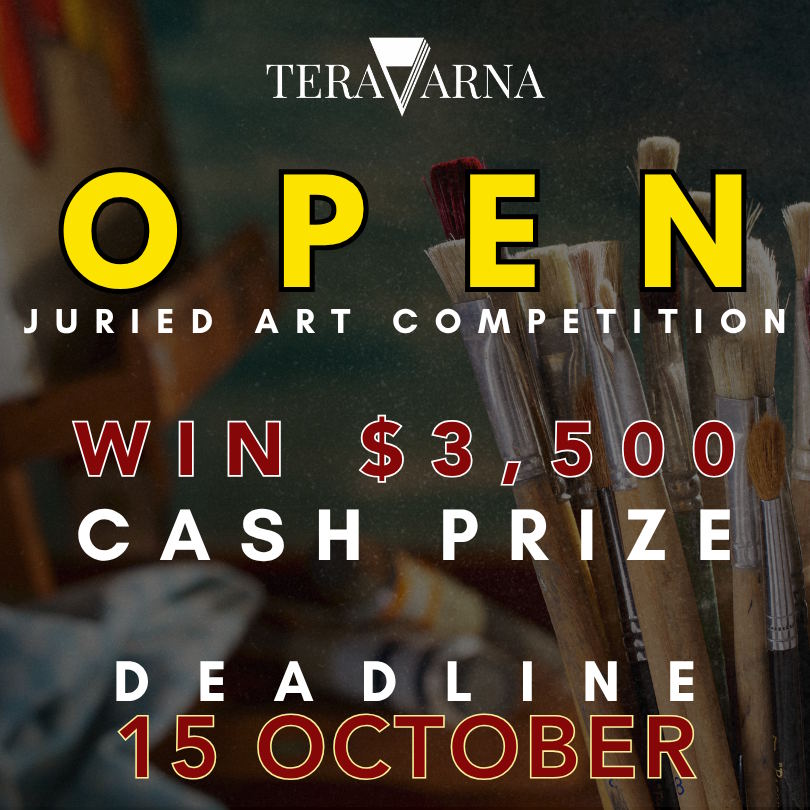
Online Exhibitions, Art Publications, Art Contests and Grants
Online Exhibitions, Art Publications, Art Contests and Grants
