
A Guide to Visual Arts Genres: From Impressionism to Surrealism
Imagine standing before a canvas, where vibrant strokes of color capture fleeting moments of light, while shadows whisper secrets of the subconscious. You might wonder how movements like Impressionism and Surrealism emerged, each telling a unique story of human experience. These genres not only transformed how we perceive art but also reflect deeper cultural narratives that resonate even today. As you explore the intricacies of these movements, you'll uncover the profound connections between the artists, their works, and the world around them, challenging your understanding of creativity itself.
Overview of Visual Arts

Visual arts encompass a broad range of creative expressions that engage the senses and provoke thought. You'll find that visual arts include mediums like painting, sculpture, photography, and digital art, each offering unique ways to convey ideas and emotions. Art enthusiasts often seek out vintage art pieces as they reflect significant cultural narratives and historical contexts. These forms not only tell stories but also challenge perceptions and invite viewers to interact with the work.
As you explore visual arts, you'll notice how different genres reflect cultural contexts and individual experiences. For instance, realism captures the world as it is, while abstract art invites you to interpret forms beyond literal representation. Additionally, contemporary art often blends traditional techniques with modern themes, pushing boundaries and sparking conversation.
Your appreciation for visual arts will deepen as you consider the artist's intention and the historical backdrop of each work. Engaging with various styles helps you develop a broader understanding of artistic expression. Whether you're visiting galleries or creating your own artwork, you'll discover that visual arts can be a powerful tool for communication, self-discovery, and connection. So, immerse yourself and let the world of visual arts inspire your creative journey.
Understanding Impressionism
Impressionism's revolutionary approach to art changed how we perceive light and color. Emerging in the late 19th century, this movement broke away from traditional techniques, focusing instead on capturing fleeting moments and the effects of natural light. Remarkably, artists like Henri-Edmond Cross, known for his Beach at Cabasson, embraced this style, using vibrant colors and brush strokes to create emotional landscapes. You might notice that Impressionist artists often painted outdoors, a practice known as "en plein air." This allowed them to observe and depict scenes as they appeared at different times of day and in varying weather conditions.
When you look at Impressionist works, you'll see vibrant brush strokes that convey movement and emotion rather than precise details. Artists like Monet, Degas, and Renoir emphasized the overall atmosphere of their subjects, using color and light to evoke feelings. They often experimented with unconventional perspectives and compositions, challenging the norms of their time.
As you explore Impressionism, pay attention to how these artists used color to create mood. Notice how a simple landscape or a crowded café scene transforms into an emotional experience through their unique interpretations of light. This innovative approach laid the groundwork for future art movements, encouraging you to appreciate the beauty of the world around you in a new way.
Characteristics of Expressionism

Expressionism is a powerful art movement that emerged in the early 20th century, emphasizing emotional experience over physical reality. When you explore Expressionism, you'll notice its bold colors, distorted forms, and exaggerated lines. These elements aim to convey intense feelings rather than depict the world accurately. The movement often parallels the work of contemporary artists, such as those who create pieces like Vakala: African American Goddess, which utilize vibrant colors to evoke deep emotional responses.
You might find that artists often use unconventional techniques, such as striking contrasts and dynamic compositions, to evoke a sense of urgency and emotional depth. The subjects in Expressionist works frequently reflect personal turmoil, societal issues, or existential angst, inviting you to connect on a visceral level.
In addition, you'll see that Expressionism often embraces spontaneity, allowing for raw, unfiltered expression. This results in a sense of movement and energy, drawing you into the artwork. The use of symbolism is prevalent, with artists incorporating personal and cultural references that resonate with their inner experiences.
Ultimately, when you engage with Expressionist art, you're encouraged to feel rather than think, to experience the tumultuous emotions that define the human condition. This emphasis on feeling makes Expressionism a unique and impactful genre within the wider visual arts landscape.
Exploring Cubism
Cubism is a revolutionary art movement that emerged in the early 20th century, fundamentally altering how we perceive and depict reality. You'll find that it breaks objects down into geometric shapes, presenting multiple perspectives simultaneously. Instead of a single viewpoint, artists like Pablo Picasso and Georges Braque invite you to explore a subject from various angles, creating a fragmented yet cohesive composition. This transformative approach is comparable to the artistic craftsmanship seen in premium vertical posters, which enhance aesthetic appeal through art premium vertical posters.
When you look at a Cubist painting, you're encouraged to engage with the artwork more actively. The use of muted colors in early Cubism contrasts sharply with the vibrant palette of later styles. This choice emphasizes form over color, guiding your attention to structure and spatial relationships.
You might also notice that Cubism isn't limited to painting. It extends into sculpture and even architecture, influencing various modern artistic practices. As you investigate deeper, consider how this movement reflects the complexities of modern life. By challenging traditional representation, Cubism encourages you to rethink the way you see the world around you. So, when you encounter Cubist works, embrace the experience and allow the artwork to reshape your understanding of perspective and form.
The Essence of Surrealism

Surrealism beckons you into a dreamlike domain where the boundaries of reality and imagination blur. This genre invites you to explore the subconscious mind, revealing the bizarre and unexpected. You'll encounter strange juxtapositions, distorted figures, and dreamlike landscapes that challenge conventional perceptions of reality. Surrealists aim to access the power of dreams, tapping into desires, fears, and hidden emotions. This art form can be beautifully represented in premium matte vertical posters, allowing you to bring these extraordinary visuals into your space.
In this world, logic often takes a backseat, and irrationality reigns supreme. You might find everyday objects placed in unusual contexts, creating a sense of wonder and disorientation. Surrealism encourages you to embrace the unexpected and see the familiar in unfamiliar ways. By engaging with this genre, you'll discover how art can transcend the mundane and evoke deep, often unsettling feelings.
The use of symbolism plays an essential role in surrealism, as objects can hold multiple meanings. You're invited to interpret these symbols based on your own experiences and perceptions, making each encounter personal and unique. Ultimately, surrealism challenges you to question reality, explore your imagination, and plunge into the depths of your subconscious, revealing the complexities of the human experience.
Key Artists and Works
Exploring the domain of surrealism reveals a fascinating tapestry woven by its key artists and their iconic works. As you immerse yourself in this genre, you'll encounter visionary creators who challenged the norms of their time. Each artist brought their unique perspective, crafting images that provoke thought and stir the imagination.
- Salvador Dalí's "The Persistence of Memory": A dreamscape where melting clocks drape over a barren landscape, questioning the nature of time.
- René Magritte's "The Treachery of Images": A pipe with the text "Ceci n'est pas une pipe," prompting you to ponder the relationship between representation and reality.
- Max Ernst's "The Elephant Celebes": An eerie, fragmented scene featuring a mechanical elephant that blurs the line between fantasy and reality.
- André Breton's "Nadja": A surreal narrative that intertwines dreams with autobiography, inviting you to explore the subconscious.
- Frida Kahlo's "The Two Fridas": A powerful self-portrait reflecting duality and identity, rich with symbolism and emotion.
These works not only showcase surrealism's diversity but also invite you to engage with the complexities of human experience.
Influence on Modern Art

The impact of surrealism on modern art is profound and far-reaching, reshaping the way artists approach creativity and expression. You'll notice that surrealist techniques invite you to explore the subconscious, merging reality with the fantastical. This blend encourages you to break free from traditional constraints, allowing for a more personal interpretation of the world.
When you look at modern art today, you can see surrealism's fingerprints in various movements, including abstract expressionism and pop art. Artists like Jackson Pollock and Andy Warhol drew inspiration from surrealist ideas, exploring spontaneity and the collision of cultural symbols. You might also recognize how surrealism's emphasis on dreams and the irrational challenges the boundaries of your own perception.
Moreover, contemporary artists often use surrealistic elements to provoke thought and evoke emotion. By incorporating unexpected juxtapositions, they engage you on a deeper level, prompting you to question reality. As you navigate the art world, you'll find that surrealism continues to influence not just individual pieces but the broader conversation around what art can be. Embrace this legacy as you observe the evolution of artistic expression today.
Appreciating Art Today
Art today invites you to engage with diverse expressions and perspectives that reflect our complex world. You'll find creativity thriving across various mediums and genres, from traditional paintings to innovative installations. Each piece tells a story, sparking emotions and inviting you to explore different viewpoints. When you appreciate art, you're not just observing; you're participating in a dialogue that transcends time and space.
Imagine standing before:
- A vibrant mural that bursts with colors, symbolizing community and resilience.
- A haunting sculpture carved from reclaimed materials, echoing the urgency of environmental issues.
- A thought-provoking photograph capturing fleeting moments of human connection.
- An interactive digital installation that immerses you in a virtual world of dreams.
- A minimalist canvas that invites you to ponder the beauty of simplicity.
Read The Next Blog Post –
As you plunge into the rich tapestry of visual arts, remember that each brushstroke tells a story waiting for your interpretation. From the fleeting impressions of Impressionism to the dreamlike domains of Surrealism, these genres invite you to explore emotions and cultural narratives. So, the next time you stand before a canvas, ask yourself: what secrets does this artwork hold for you? Embrace the journey, and let art connect you to the world in vibrant ways.

Reach Out
Our Services:
Blog Post Writing
We do well-researched, timely, and engaging blog posts that resonate with your clientele, positioning you as a leader in your field of expertise.
Content Writing
Beyond articles and content for blogs, we delve into comprehensive content pieces like eBooks, and case studies, tailored to showcase your expertise. Website Content Writing: First impressions matter. Our content ensures your website reflects the professionalism, dedication, and expertise you bring to the table.
Social Media Management
In today’s interconnected world, your online presence extends to social platforms. We help you navigate this terrain, ensuring your voice is consistently represented and heard.
WordPress Website Maintenance
Your digital office should be as polished and functional as your physical one. We ensure your WordPress site remains updated, secure, and user-friendly.
For more information, ad placements in our blog networks, article writing, social media management, or listings on our Google News portal, reach out to us at theriversideartists@gmail.com.
Warm regards,
The Riverside Artists Team theriversideartists@gmail.com

Tony Ramos
Article Content Writer We write content articles for all businesses. We produce content that can include blog posts,website articles, landing pages, social media posts, and more. Reach out for more information to theriversideartists@gmail.com, "Best to You" Tony.


Similar Posts
Online Exhibitions, Art Publications, Art Contests and Grants

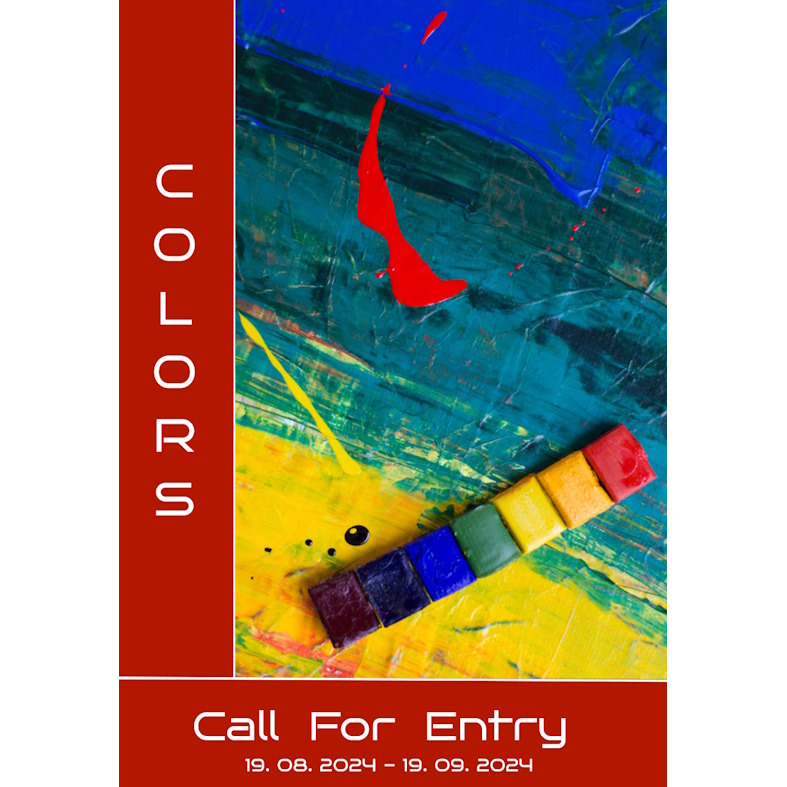
Art Competitions and Juried Art Exhibitions
