
Cultivating Artistic Skills for All Ages and Levels
You might wonder how cultivating artistic skills can enhance your life, no matter your age or experience level. Engaging in creative pursuits not only fosters self-expression but also builds connections with others. Whether you're just starting out or looking to refine your abilities, there's a wealth of opportunities waiting for you. Exploring different mediums and techniques can reveal surprising insights about yourself. But what if you could turn those insights into something transformative? Let's explore how you can release your creative potential and embrace the journey ahead.
The Importance of Artistic Expression

Artistic expression is essential for personal growth and emotional well-being. When you engage in creative activities, you tap into your feelings and thoughts, allowing for deeper self-understanding. This process not only helps you articulate your emotions but also provides a safe space to explore your identity. By expressing yourself artistically, you can release pent-up feelings, reduce stress, and foster mental clarity. Engaging in digital art products, such as A Walk with SisemoPainting, can enhance your creative journey and provide immediate access to inspiring content.
Moreover, participating in artistic endeavors enhances your problem-solving skills and boosts your confidence. Whether you're painting, writing, or dancing, each act of creation encourages you to take risks and push boundaries. As you overcome challenges in your artistic journey, you build resilience and learn that mistakes are part of the process.
Artistic expression also connects you with others. Sharing your work fosters a sense of community and encourages dialogue. You'll find that your experiences resonate with others, creating bonds that enrich your life. Ultimately, embracing artistic expression nurtures your emotional health, sharpens your mind, and strengthens your connections to the world around you. So, immerse yourself in creativity—your journey toward personal growth and emotional well-being starts there!
Finding Your Medium
Finding your medium is all about exploration and experimentation. You might discover that working with vibrant watercolors, like those seen in the depiction of the Vakala African American Goddess, resonates deeply with your expression of African heritage. Try out different art forms and materials to see what resonates with you. As you play with various techniques, you'll start to identify what truly reflects your personal style.
Exploring Different Art Forms
Many aspiring creators often feel overwhelmed by the vast array of art forms available. From painting and sculpture to photography and digital design, it might seem impossible to choose a path that resonates with you. The key is to explore different art forms and discover what truly excites you. Consider wearing a statement piece like a tee that promotes awareness, such as one that features the phrase Mental Health Matters, as it can inspire meaningful conversations about creativity and well-being.
Start by trying out various mediums. Take a painting class, join a pottery workshop, or experiment with photography. Each form offers unique challenges and rewards, helping you understand your preferences and strengths. Pay attention to what captures your interest—do you enjoy the tactile experience of clay, or is the precision of drawing more appealing?
Don't hesitate to mix and match! Many artists blend techniques from different forms, creating unique styles. For instance, you might find joy in combining watercolor painting with digital art.
Experimenting With Materials
Exploring various art forms is just the beginning; the next step involves experimenting with the materials that bring your ideas to life. Each medium offers unique properties and possibilities, so don't shy away from trying different options. Whether it's acrylics, watercolors, charcoal, or clay, each material has its own character and can dramatically influence your artistic expression. Consider incorporating elements from vintage art pieces into your projects, as they can inspire new techniques and styles.
Start by gathering a variety of materials, and let your creativity flow. You might find joy in the way charcoal smudges or how watercolors blend seamlessly. Don't hesitate to mix materials or combine techniques. For instance, using pastels over acrylics can create interesting textures.
As you experiment, pay attention to how each medium feels and what it allows you to create. You'll discover that some materials resonate with you more than others. Keep a sketchbook handy to document your experiments and thoughts. This process not only enhances your skills but also deepens your understanding of how materials can convey your artistic vision.
Identifying Personal Preferences
Artistic expression flourishes when you connect with the right medium. Finding that connection can transform your creative journey. Start by reflecting on what excites you. Do vibrant colors ignite your passion, or do you prefer the subtlety of monochrome? Experiment with different materials—paint, charcoal, clay, or digital tools. Each medium has its unique qualities and challenges that can inspire you in different ways. For instance, many artists find that wearing a high-quality unisex tee while creating adds a layer of comfort to their artistic process.
Pay attention to how you feel as you create. If you find joy in mixing paints or molding clay, that's a strong indication of your preferred medium. Don't hesitate to try unconventional materials, like fabric or found objects. Sometimes, the best ideas come from unexpected sources.
As you explore, keep a sketchbook or journal to document your experiences. Note what resonates with you and what doesn't. This practice helps clarify your preferences and build confidence in your choices. Remember, there's no right or wrong medium; it's all about what feels authentic to you. Embrace the journey of discovery, and you'll soon find the medium that allows your artistic voice to shine.
Techniques for Beginners

As a beginner, mastering basic drawing techniques is essential to building your artistic foundation. You might find that creating a vibrant and engaging space for your artwork, such as displaying Jasmine and Sam the Cat – Premium Vertical Posters, can inspire your creativity and enhance your artistic journey. You'll also want to familiarize yourself with the essentials of color theory, as it can greatly enhance your work. Let's explore these key areas to help you grow your skills.
Basic Drawing Techniques
Whether you're picking up a pencil for the first time or revisiting forgotten skills, mastering basic drawing techniques is essential for any budding artist. Start with simple shapes; practice drawing circles, squares, and triangles. These forms lay the foundation for more complex objects. Focus on line quality as you draw, experimenting with varying pressure to create lighter or darker lines. You might even consider wearing a Memorial Day tribute shirt to inspire your creative sessions and honor service members.
Next, work on proportions. Use a grid method or measuring techniques to guarantee your objects are in scale. This helps develop an eye for accurate representation. Don't forget to practice shading; using hatching and cross-hatching can add depth to your drawings.
Try contour drawing as well, where you draw the outline of an object without looking at your paper. This technique sharpens your observation skills.
Lastly, keep a sketchbook to document your progress. Draw daily, even if it's just a quick sketch. The more you practice, the more confident you'll become in your abilities. Remember, every artist starts somewhere, so embrace mistakes as part of your learning journey. Enjoy the process and let your creativity flow!
Color Theory Essentials
Understanding color theory is essential for enhancing your artistic skills and bringing your creations to life. At its core, color theory helps you understand how colors interact, which can greatly impact your artwork's mood and composition. Start by familiarizing yourself with the color wheel, which consists of primary, secondary, and tertiary colors. Primary colors—red, blue, and yellow—can't be made by mixing others, while secondary colors—green, orange, and purple—are created by mixing primary colors.
Next, explore color harmony. Complementary colors, like blue and orange, create a vibrant contrast, while analogous colors, such as blue, blue-green, and green, produce a more serene effect. Consider experimenting with these combinations to see how they affect your artwork's emotion and energy.
Don't forget about warm and cool colors. Warm colors (reds, oranges, yellows) can evoke feelings of warmth and excitement, while cool colors (blues, greens, purples) tend to be calming and relaxing. By understanding these essentials, you'll be better equipped to choose colors that enhance your artistic expression and create more impactful artworks. Immerse yourself in your next project with this newfound knowledge!
Advanced Skills for Experienced Artists
To take your artistic journey to the next level, honing advanced skills is essential. As an experienced artist, you've likely mastered the basics, but pushing your boundaries will open new creative avenues. Start by experimenting with mixed media. Combining different materials can lead to unexpected textures and effects, enriching your work.
Next, deepen your understanding of composition. Study the principles of balance, focal points, and harmony. Try creating a series of pieces focused solely on composition, allowing you to explore how elements interact in a space.
Don't shy away from challenging subjects. Attempt complex perspectives or intricate details that test your technical abilities. Life drawing sessions can sharpen your observation skills and improve your accuracy, so consider practicing regularly.
Art Classes and Workshops

Engagement in art classes and workshops can ignite your creative spark and expand your artistic repertoire. These settings provide a structured environment where you can explore various techniques and mediums, from painting and drawing to sculpture and digital art. You'll benefit from hands-on instruction, allowing you to develop skills and refine your unique style.
Participating in classes also connects you with fellow artists, fostering a sense of community and support. You can exchange ideas, receive constructive feedback, and collaborate on projects, which can enhance your learning experience. Many workshops are tailored for specific skill levels, ensuring that whether you're a beginner or an experienced artist, you'll find something that challenges and inspires you.
Additionally, art classes often introduce you to new tools and materials you might not use otherwise. Experimenting with these can lead to exciting discoveries in your work. Finally, committing time to attend classes helps you establish a routine, making it easier to prioritize your artistic pursuits. So, immerse yourself in art classes and workshops—they're a fantastic way to nurture your creativity and grow as an artist!
Creative Exercises for All Ages
Creative exercises can release your imagination and are perfect for artists of all ages. Whether you're a beginner or a seasoned pro, incorporating these activities into your routine can spark new ideas and enhance your skills.
Start with a simple drawing prompt: pick an everyday object and draw it from three different angles. This not only sharpens your observational skills but also encourages you to think outside the box. If you're feeling adventurous, try a "20-minute doodle" session—set a timer and let your hand move freely, allowing your subconscious to guide your creativity.
For a more tactile experience, gather materials from around your home and create a collage. This exercise helps you explore textures and colors while expressing your unique perspective.
If writing is your passion, challenge yourself to write a short story based on a random word you find in a book. This can build your narrative skills and push your creative boundaries.
Building a Supportive Community

While you hone your artistic skills, connecting with others who share your passion can greatly enhance your growth. A supportive community not only provides encouragement but also offers constructive feedback that can refine your abilities. Seek out local art groups, workshops, or online forums where you can engage with fellow artists. These spaces can be invaluable for sharing ideas, techniques, and experiences.
When you join a community, you'll find diverse perspectives that can inspire you and push your creative boundaries. Participate in group activities, such as collaborative projects or critiques, to foster deeper connections and learn from one another. Don't hesitate to ask questions or share your challenges; vulnerability often leads to meaningful discussions and support.
Additionally, consider organizing events like art shows or themed challenges to strengthen your community ties. By contributing your skills and time, you'll help create an environment where everyone feels valued and motivated. Remember, building a supportive community takes effort, but the rewards—friendship, inspiration, and growth—are well worth it. Embrace the connections you make, and watch how they elevate your artistic journey.
Embracing Mistakes and Growth
Mistakes are often seen as setbacks, but in the world of art, they can become powerful stepping stones to growth. When you create, embracing these errors can lead to unexpected discoveries. Instead of shying away from what you perceive as flaws, recognize them as opportunities to explore new techniques, styles, or ideas. Each misstep can reveal a unique perspective that enhances your creativity.
When you allow yourself to make mistakes, you cultivate an environment where experimentation thrives. This mindset encourages you to take risks, pushing your artistic boundaries. You'll find that some of your best work emerges from the ashes of what you initially thought was a failure.
Don't be afraid to revisit a piece after a perceived mistake. With fresh eyes, you might see potential where you once saw a blunder. This process of reassessment not only reinforces your skills but also builds resilience.
As you embrace mistakes, you'll notice your growth accelerates. You'll learn more about your artistic voice and what truly resonates with you. Remember, every successful artist has faced their share of mistakes—it's how you respond that defines your journey.
Read The Next Blog Post –
As you pick up a brush or mold some clay, you might find your worries slipping away, like leaves dancing in the wind. Remember, every stroke and shape is a step on your journey. Embrace the joy of creation, connect with others, and let mistakes become your guides. Just as a wildflower blooms unexpectedly in a sidewalk crack, your unique artistic voice can flourish anywhere. Immerse yourself, explore, and watch your creativity blossom in ways you never imagined.

Reach Out
Our Services:
Blog Post Writing
We do well-researched, timely, and engaging blog posts that resonate with your clientele, positioning you as a leader in your field of expertise.
Content Writing
Beyond articles and content for blogs, we delve into comprehensive content pieces like eBooks, and case studies, tailored to showcase your expertise. Website Content Writing: First impressions matter. Our content ensures your website reflects the professionalism, dedication, and expertise you bring to the table.
Social Media Management
In today’s interconnected world, your online presence extends to social platforms. We help you navigate this terrain, ensuring your voice is consistently represented and heard.
WordPress Website Maintenance
Your digital office should be as polished and functional as your physical one. We ensure your WordPress site remains updated, secure, and user-friendly.
For more information, ad placements in our blog networks, article writing, social media management, or listings on our Google News portal, reach out to us at theriversideartists@gmail.com.
Warm regards,
The Riverside Artists Team theriversideartists@gmail.com

Tony Ramos
Article Content Writer We write content articles for all businesses. We produce content that can include blog posts,website articles, landing pages, social media posts, and more. Reach out for more information to theriversideartists@gmail.com, "Best to You" Tony.


Similar Posts
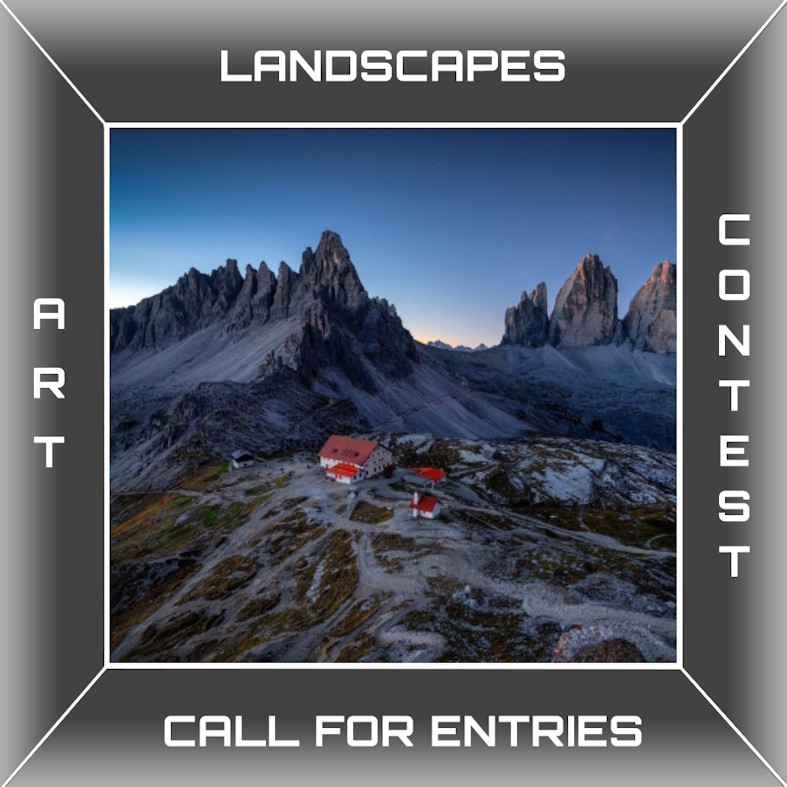
Online Exhibitions, Art Publications, Art Contests and Grants
The Arts Council and University College Cork invite applications from traditional artists of distinction for the role of Traditional Artist in Residence at UCC for the calendar year 2023 | The Arts Council
